
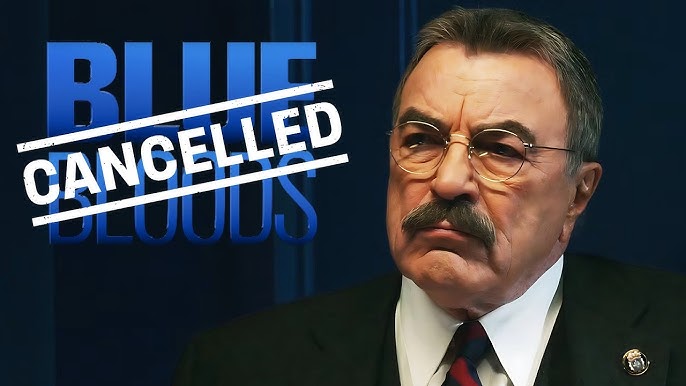
Tom Selleck fires back at the ‘Boston Blue’ cancellation with a shocking truth!
The television landscape was pushed into a state of collective shock when network executives officially announced the cancellation of Boston Blue. For seasons, the gritty, high-stakes police and legal drama had anchored prime-time television, drawing in millions of viewers who tuned in to watch the complex inner workings of New York’s historic rival city: Boston. Led by the commanding presence of Hollywood veteran Tom Selleck, the show managed to do what few modern broadcast series can achieve—build an intensely loyal, multi-generational audience in an era completely dominated by streaming algorithms.
Following the sudden network announcement to bring the curtain down on the series, Tom Selleck has finally broken his silence. Known for his candid nature and deep respect for television audiences, the iconic actor delivered a scathing yet passionate defense of the series, famously asserting that Boston Blue is actually “more popular than ever.” Selleck’s remarks have reignited a fierce industry-wide debate about how modern networks measure success, the disconnect between corporate executives and everyday viewers, and what truly constitutes a “hit” show in the current media landscape.
To understand Selleck’s profound frustration, one only needs to look at the traditional metrics of broadcast television. Boston Blue was not a struggling show fighting for survival; it was a certified powerhouse that routinely captured its time slot.
“In my decades in this industry, I have never seen a network walk away from a winning horse quite like this,” Selleck remarked during a recent media appearance. “If you look at the delayed viewing, the DVR recordings, and the live numbers, our audience wasn’t shrinking—it was expanding. To cancel a show when it is reaching its creative and commercial peak defies logical show business.”
Even in its final season, Boston Blue managed to pull in staggering numbers, often averaging between 9 and 11 million viewers when factoring in multi-platform streaming and delayed playback within the week. For Selleck and the creative team, the cancellation feels less like a natural conclusion to a creative journey and more like an artificial termination driven by corporate spreadsheets rather than public demand.
What made Boston Blue such an unstoppable force on network television? Unlike generic procedural dramas that rely solely on “shock value” or repetitive crime-of-the-week formats, this show leaned heavily into the unique, historical, and socio-political fabric of Boston itself.
The show operated on three distinct levels that kept audiences hooked:
The Authentic Boston Backdrop: Filmed with a gritty, realistic lens, the show captured the true essence of the city—from the brick townhouses of Beacon Hill to the working-class docks of South Boston.
Selleck’s Commanding Patriarch: As Chief Arthur Vance, Selleck portrayed a leader caught between the old-school ethics of policing and the highly pressurized demands of modern political correctness.
The Interconnected Narrative: By blending street-level police work with high-level courtroom battles in Suffolk County, the show provided a comprehensive look at the American justice system.
The heart of the show, much like Selleck’s past work, relied on a deep-seated sense of community. The characters weren’t just colleagues; they were bound by the shared history, trauma, and pride of the city they swore to protect. It was this emotional gravity that kept viewers coming back week after week.

If the ratings were family-defining and undeniably massive, the burning question remains: why would a network choose to pull the plug on a goldmine like Boston Blue? The answer does not lie in the creative department, but rather within the brutal, shifting economics of modern television production. In the current media landscape, high viewership no longer automatically guarantees a show’s survival, as aging network dramas frequently become victims of their own massive scale.
First and foremost is the staggering cost of regional authenticity. While many police procedurals cut corners by shooting on generic Hollywood backlots, the creators of Boston Blue fiercely insisted on on-location filming in New England. Capturing the genuine architectural look of Beacon Hill, the seasonal winter blizzards, and the distinct cultural atmosphere of Boston required immense financial dedication. Navigating high city taxes, historic preservation permits, and complex logistical staging across busy metropolitan streets meant that every single episode carried a blockbuster-level price tag.
Compounding these production expenses is the natural financial inflation that hits any long-running television series. Success breeds leverage, and over the course of multiple seasons, a highly decorated ensemble cast led by an A-list veteran like Tom Selleck accumulates mandatory, compounding salary increases. By the time a show reaches its prime, the collective payroll for the main cast, executive producers, and senior crew members can easily double or triple compared to Day One. For network accountants, an older hit show often looks less like a victory and more like an unsustainable financial liability.
Finally, the cancellation highlights a severe disconnect in how advertising value is calculated today. Boston Blue commanded a fiercely loyal, massive audience, but that audience skewed heavily toward older households—viewers who prefer watching television on a traditional weekly schedule. Television networks, however, are aggressively transitioning into a streaming-first era. Advertisers still pay a premium for the younger, more elusive 18–49 demographic, who largely consume content via short-form media or digital apps. Consequently, corporate executives felt it was more profitable to clear the budget lines, sacrificing a multi-million-viewer heavyweight to free up resources for cheaper, unscripted reality television or bite-sized streaming properties.
Tom Selleck’s defense of Boston Blue goes far beyond his own employment; it is a defense of the television audience itself. Throughout his legendary career—from Magnum, P.I. to the highest peaks of prime-time television—Selleck has maintained a philosophy that the audience must always be respected.
He argues that by canceling a show at the absolute height of its popularity, networks are alienating the very people who keep broadcast television alive.
“Networks used to nurture hits; now they seem terrified of them if they cost a certain amount of money,” Selleck stated candidly. “We built a sanctuary for millions of people every single week. They knew exactly what kind of quality storytelling they were going to get. When you tear that down while it’s more popular than ever, you are telling the audience that their loyalty doesn’t matter anymore.”
Selleck’s words have resonated deeply with fans, who have launched massive online petitions, coordinated social media campaigns using the hashtag #SaveBostonBlue, and even organized peaceful demonstrations outside network headquarters. The fan response has proven Selleck’s point entirely: the passion for this show is far from burning out.
While the network’s cancellation order currently stands, the television industry has proven time and again that a show with 10 million loyal viewers is incredibly difficult to kill permanently. Rival streaming networks and cable syndicates are reportedly already looking at the immense public outcry and analyzing whether they can acquire the rights to give Boston Blue the continuation it rightfully deserves.
Whether the series finds a new home on a streaming service or concludes its journey with a highly anticipated wrap-up television movie, the legacy of Boston Blue remains entirely untarnished. It proved that traditional, high-quality, character-driven drama still holds immense power in the digital age. And as for Tom Selleck, his staunch, unyielding defense of the series has only solidified his status as a true champion of quality television and a fierce advocate for the millions of viewers who count themselves as part of the Boston Blue family.
Post Views: 138