
Sister Wives Shock: Meri Funded Robyn’s House Just To Get Betrayed On Coyote Pass?!
For years, the Brown family sold viewers a powerful dream.
Four wives. One husband. One united future.
No matter how many disagreements erupted, no matter how often jealousy surfaced, the message remained the same: everyone was equal. Every wife mattered. Every sacrifice was shared.
But now, after the shocking sale of Coyote Pass, fans are asking a question that refuses to go away:
Was equality ever real?
Because when the dust settled and the money was finally divided, the numbers told a story that many viewers believe confirms what they’ve suspected for years—a story of favoritism, unequal sacrifices, and a family structure that may have never been as balanced as it appeared.
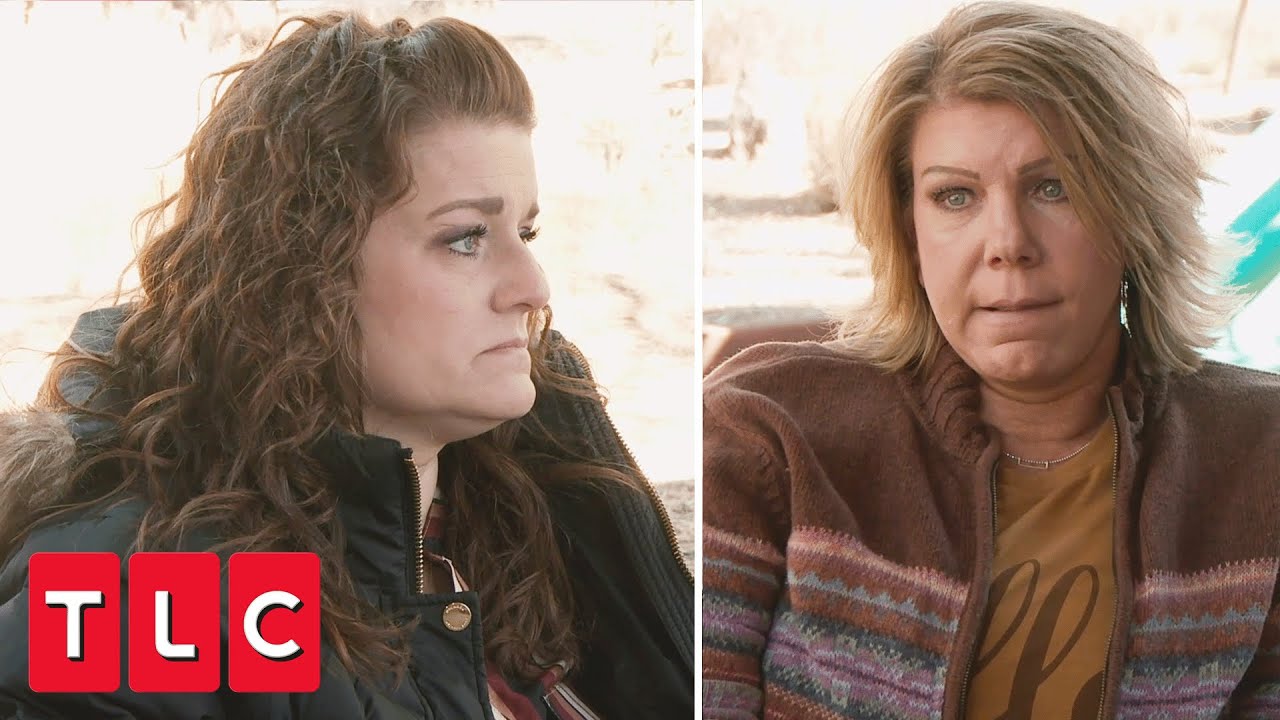
And at the center of that controversy are two women: Meri Brown and Robyn Brown.
The reported payout figures have left the Sister Wives fandom stunned.
According to reports surrounding the sale of Coyote Pass, Meri reportedly received approximately $375,000, while Robyn allegedly walked away with roughly $750,000.
Double.
The difference immediately sparked outrage among viewers, especially considering the complicated financial history between the two women.
But to understand why fans are so emotional about these numbers, we have to go back to where the dream began.
Years ago, after relocating to Flagstaff, Arizona, the Browns purchased nearly 14 acres of undeveloped land known as Coyote Pass.
It wasn’t supposed to be just another real estate investment.
This property represented the future.
Kody Brown envisioned a place where all four wives would build homes and live side by side. It was supposed to become the ultimate symbol of plural marriage success—a permanent reminder that despite living separate lives, they remained one family.
The vision sounded beautiful.
A fresh start.
A family compound.
A place where children and grandchildren could gather for decades to come.
But almost immediately, cracks began to appear.
Arguments erupted over building plans.
Some family members wanted separate homes.
Others considered one giant shared house.
Disagreements about property lines, finances, and priorities quickly turned the dream into a source of constant tension.
And as the years passed, nothing was built.
The empty land became a silent reminder of promises that never materialized.
Even worse, the family’s relationships were beginning to crumble.
Christine eventually left the marriage.
Janelle’s relationship with Kody deteriorated.
Meri found herself increasingly isolated.
What was once supposed to unite the family slowly transformed into a symbol of everything pulling them apart.
Then came the final blow.
The dream died.
Coyote Pass was sold.
And suddenly, years of emotional investment had to be converted into cold, hard cash.
That’s when the real questions began.
Who owned what?
Who contributed more?
Who deserved a larger share?
And perhaps most importantly…
Who benefited most from a dream that never came true?
The reported payout figures immediately reignited one of the oldest accusations in Sister Wives history: that Robyn has always been Kody’s favorite.
Fans couldn’t ignore the optics.
Here was Meri Brown—the first wife, the woman who helped build the family from the beginning—reportedly receiving half of what Robyn received.
For longtime viewers, the numbers felt painfully familiar.
Because this wasn’t the first time financial questions had surfaced regarding Meri and Robyn.
Over the years, fans have repeatedly pointed to reports that proceeds connected to Meri’s Las Vegas home ultimately helped support the purchase of Robyn’s residence.
Even more shocking, many viewers believe Meri was never fully compensated for that contribution.
Whether those reports tell the entire story or not, they have become part of a narrative that many fans simply can’t ignore.
And now, the Coyote Pass payout appears to fit that same pattern.
Money seems to flow in one direction.
Toward Robyn.
Toward the legal marriage.
Toward the household that many viewers believe has received special treatment for years.
Of course, supporters of Kody and Robyn argue there may be legitimate explanations.
Property ownership is complicated.
Legal documents matter.
Contributions aren’t always equal.
And because Robyn was Kody’s only legal wife, her ownership interests may have been structured differently from the beginning.
Those factors could potentially explain why the payout wasn’t divided evenly.
But critics argue that’s exactly the problem.
Even if the division was technically legal, was the system itself ever fair?
That’s the question fueling endless debate online.
Because fairness isn’t always about what the paperwork says.
It’s also about how the paperwork got created in the first place.

And many viewers believe the legal structure of the Brown family inherently protected Robyn while leaving the other wives vulnerable.
When everything was functioning, those differences may not have seemed important.
But once the marriages collapsed, the legal reality became impossible to ignore.
Suddenly, the wife with legal protections appeared to be in the strongest position.
And the women who spent decades participating in spiritual marriages found themselves facing a much different outcome.
For Meri, the emotional impact may be particularly devastating.
Coyote Pass wasn’t just land.
It represented hope.
A future.
Another chance to belong.
For years, Meri remained committed to a family that often seemed to move forward without her.
She endured emotional distance.
She survived public embarrassment.
She watched her relationship with Kody deteriorate while still holding onto the possibility that things might improve.
Coyote Pass was part of that hope.
A future she continued investing in even as the foundation beneath her marriage weakened.
Then the dream disappeared.
No homes.
No family compound.
No fresh start.
Just a sale.
And according to reports, a significantly smaller payout than Robyn received.
For many fans, that’s what makes this story so heartbreaking.
The loss isn’t just financial.
It’s symbolic.
The woman who was there from the beginning appears to have received less from the very dream she helped create.
Meanwhile, Robyn—the newest wife in the family—reportedly walked away with the largest share.
Whether that’s fair or not remains fiercely debated.
But emotionally, the contrast is impossible to overlook.
The situation also raises larger questions about the entire Brown family structure.
For years, Kody insisted he loved all of his wives equally.
Again and again, viewers heard promises about fairness, partnership, and shared sacrifice.
But critics argue that actions often revealed something different.
When relationships became strained, attention appeared to shift toward Robyn.
When major decisions were made, Robyn’s household often seemed to benefit.
And now, according to the reported figures from Coyote Pass, the financial outcome appears to reinforce what many fans already believed.
Not everyone occupied the same place in Kody’s world.
Perhaps that’s why the sale of Coyote Pass feels so significant.
It stripped away the emotional language.
No confessionals.

No speeches.
No promises.
Just numbers.
And numbers have a way of revealing truths that words sometimes hide.
The property itself became the perfect metaphor for the Brown family.
Purchased as a symbol of unity.
Left undeveloped because unity disappeared.
Sold after the marriages fell apart.
And divided in a way that continues to spark controversy.
The irony is almost impossible to miss.
The land was supposed to prove that all four wives were building one future together.
Instead, it became evidence of the divisions that existed all along.
Every acre carried the weight of broken promises.
Every dollar represented years of sacrifice.
And every reported payout reignited painful questions about who truly mattered most within the family.
As fans continue dissecting the numbers, one mystery remains unresolved.
Was the payout simply the result of legal ownership and financial contributions?
Or does it expose a deeper truth about favoritism that has existed from the very beginning?
That question may never receive a definitive answer.
But one thing is certain.
The story of Coyote Pass has become much more than a real estate transaction.
It is the final chapter of a dream that never materialized.
A dream built on promises of equality.
A dream that collapsed alongside the marriages that created it.
And if the reported figures are accurate, many viewers believe the final payout revealed something shocking:
The family that spent years insisting everyone was equal may have been operating under a very different reality all along.
Now fans are left wondering whether Coyote Pass was ever truly about building a future—or whether it was always destined to become the ultimate symbol of the imbalance that eventually tore the Brown family apart.