
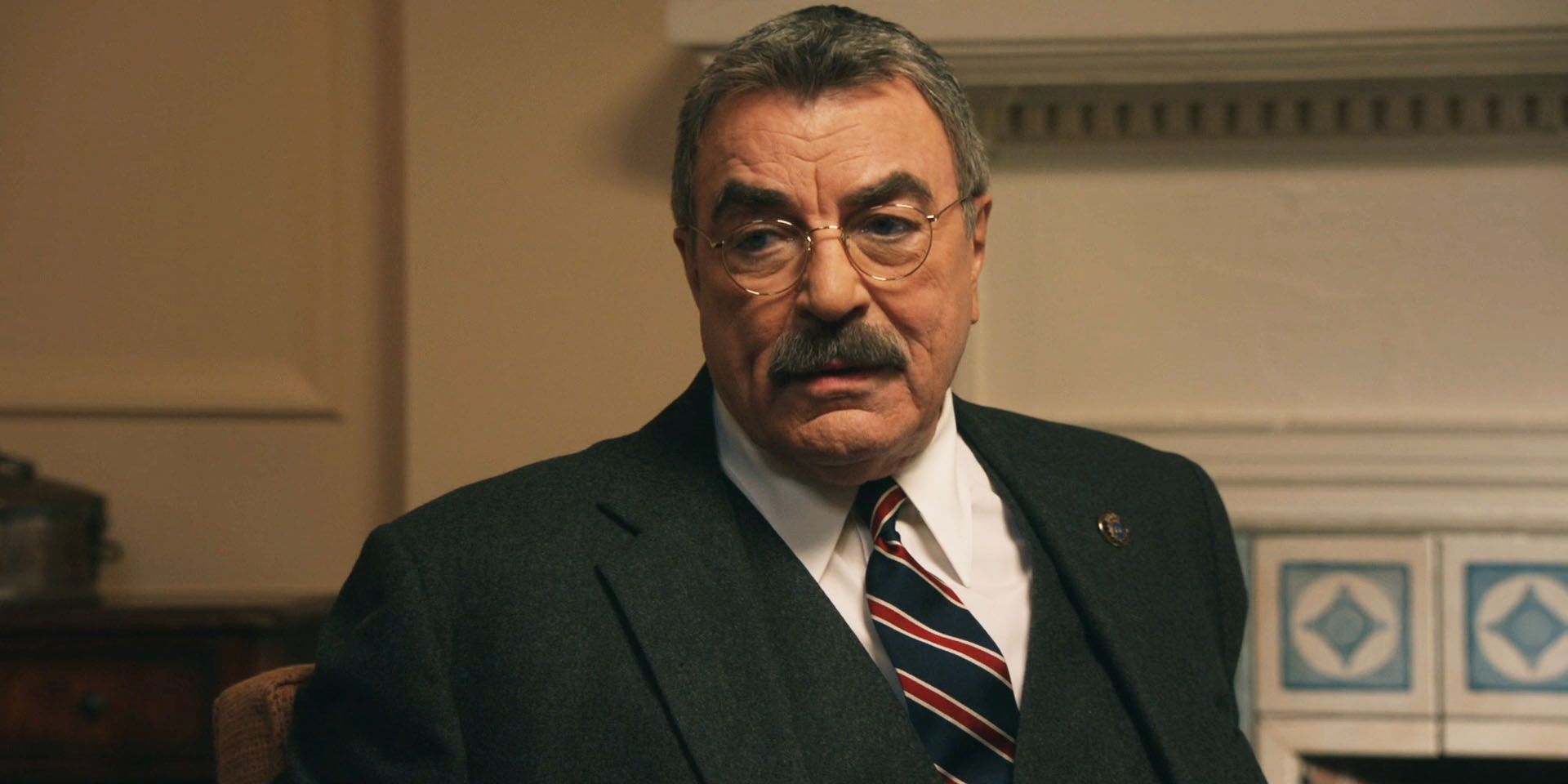
Tom Selleck’s Shocking ‘Blue Bloods’ Habit Still Has Co-Stars Talking!
For fourteen seasons, Blue Bloods delivered crime stories, family drama, and memorable characters that kept millions of viewers tuning in year after year. But while audiences fell in love with the Reagan family on screen, many of the most meaningful stories connected to the series happened when the cameras were not rolling. At the center of those stories was Tom Selleck, the veteran actor whose portrayal of Frank Reagan became one of television’s most recognizable performances.
As Blue Bloods enters a new era and the cast moves on to new projects, conversations about the show’s legacy continue. Interestingly, many of those discussions eventually lead back to Tom Selleck—not because of a particular episode or storyline, but because of the impact he had on the people who worked alongside him.
Over the years, cast members have repeatedly spoken about the respect, guidance, and leadership Selleck brought to the set. Long after filming wrapped, those memories remain an important part of the Blue Bloods story. While fans often remember Frank Reagan as the heart of the family, many of his co-stars believe Tom Selleck played a remarkably similar role behind the scenes.
When viewers think about Blue Bloods, they often picture Frank Reagan sitting at the head of the family dinner table. It was a role that required authority, wisdom, and stability—qualities Tom Selleck delivered effortlessly for more than a decade.
Yet according to many cast members, those characteristics extended far beyond his performance. Throughout the show’s run, Selleck earned a reputation as someone who led by example. Rather than commanding attention through status alone, he gained respect through professionalism and consistency.
Actors who joined the series often found themselves working alongside one of television’s most recognizable stars. For younger cast members especially, that experience could have been intimidating. Instead, many have described Selleck as approachable, encouraging, and willing to share insights gathered from decades in the entertainment industry.
That atmosphere helped create a working environment unlike many others in television. While Blue Bloods certainly benefited from strong writing and compelling characters, the chemistry between the cast became one of its defining strengths. According to those who worked on the show, Selleck played a major role in fostering that sense of unity.
His influence wasn’t always visible to viewers, but it was felt throughout the production.
Among all the Blue Bloods cast members, few have spoken about Tom Selleck as frequently as Donnie Wahlberg. Over the years, the actor behind Danny Reagan repeatedly highlighted the admiration he felt for his longtime co-star.
Their characters shared countless scenes together, often balancing professional disagreements with deep family loyalty. That dynamic became one of the cornerstones of the series. Off-screen, however, the relationship appears to have been built on mutual respect rather than fictional conflict.
Wahlberg has often credited Selleck with helping establish the tone that made Blue Bloods successful. While many television productions experience tension during long runs, the Reagan family drama maintained a remarkably consistent atmosphere. According to cast interviews over the years, Selleck’s leadership was a significant reason why.
What makes the relationship particularly interesting is the difference in their backgrounds. Wahlberg entered Blue Bloods with experience in music, film, and television, while Selleck brought decades of television success and industry knowledge. Despite those differences, they developed a partnership that audiences immediately embraced.
Even now, as Boston Blue prepares to continue Danny Reagan’s story, fans frequently point to the connection between Wahlberg and Selleck as one of the franchise’s most important relationships.
One of the recurring themes in conversations about Tom Selleck is mentorship. While every actor approaches their career differently, many members of the Blue Bloods cast have described learning valuable lessons simply by observing how Selleck worked.
Long-running television shows demand extraordinary discipline. Actors must maintain consistency across hundreds of episodes while balancing demanding production schedules. Selleck’s ability to deliver that level of professionalism year after year left a lasting impression on those around him.
For younger performers, watching a veteran actor navigate the challenges of a major network series provided a unique educational experience. Rather than offering constant lectures or formal guidance, Selleck often taught through example.
His preparation, work ethic, and commitment to the material demonstrated the standards required to sustain a successful television career. Those qualities became especially important as Blue Bloods continued beyond its early seasons and evolved into one of CBS’s longest-running dramas.
The respect cast members continue expressing years later suggests that those lessons extended beyond acting itself. Many have spoken about leadership, responsibility, and treating colleagues with professionalism—qualities they witnessed firsthand throughout the production.
Few television traditions became as iconic as Blue Bloods’ weekly family dinner scenes. While many crime dramas focused primarily on investigations and action, Blue Bloods distinguished itself through moments of connection around the Reagan dinner table.

Those scenes required nearly the entire cast to work together regularly, creating opportunities for relationships to grow naturally over time. What began as a storytelling device eventually became one of the defining elements of the series.
Tom Selleck’s position at the head of the table mirrored his role within the cast. As the elder statesman of the group, he often helped maintain the atmosphere that made those scenes feel authentic.
Viewers frequently commented on how believable the Reagan family appeared. That authenticity was not created through acting alone. Spending years working together allowed cast members to develop genuine familiarity and trust.
As a result, many actors have spoken fondly about the dinner scenes even after the show’s conclusion. The memories associated with those moments continue to represent some of the strongest connections formed during production.
For fans, the dinners symbolized family. For the cast, they often felt surprisingly close to the real thing.
Every television series eventually reaches its conclusion, but saying goodbye to Blue Bloods carried a unique emotional weight. After more than a decade together, the cast had shared an enormous portion of their professional lives.
When production finally wrapped, many actors expressed gratitude for the experience and for the relationships they built along the way. Unsurprisingly, Tom Selleck remained a central figure in those reflections.
The show’s ending represented more than the conclusion of a successful drama. It marked the end of a workplace that had become a second home for many people involved. The friendships, traditions, and routines established over fourteen seasons were suddenly coming to an end.
For cast members who spent years portraying the Reagan family, that transition was understandably difficult. Yet even as everyone moved on to new opportunities, the admiration they expressed toward Selleck remained remarkably consistent.
His influence clearly extended beyond scripts and performances. He helped shape the culture of the production itself.
Hollywood often celebrates awards, ratings, and box-office success, but the most meaningful legacies are frequently measured in a different way. They are reflected in how colleagues speak about someone years after a project ends.

In Tom Selleck’s case, that legacy appears remarkably strong. Again and again, former co-stars return to the same themes: professionalism, kindness, leadership, and respect. While audiences admired Frank Reagan for those qualities, the people who worked alongside Selleck seem to believe the actor embodied many of them as well.
That consistency matters. Television productions can be demanding environments, especially over the course of fourteen seasons. Maintaining positive relationships for that length of time requires effort, patience, and mutual trust.
The fact that so many Blue Bloods cast members continue speaking positively about Selleck suggests the impact he had went far beyond his role as the show’s star.
As the franchise moves forward and fans look toward new projects such as Boston Blue, memories of Blue Bloods continue to inspire discussion. While viewers may remember dramatic storylines and unforgettable episodes, the cast often remembers something else: the people who made those experiences possible.
For many of Tom Selleck’s co-stars, that begins with the example he set every day on set. His leadership helped shape one of television’s most enduring ensemble dramas, while his professionalism earned the respect of colleagues across multiple generations.
Years after Blue Bloods first premiered, the bonds formed during its production remain intact. That may ultimately be one of the show’s greatest achievements. Beyond the ratings, beyond the awards, and beyond the storylines, it created relationships that lasted long after filming ended.
And whenever former cast members reflect on those years, one name almost always finds its way back into the conversation: Tom Selleck.
Post Views: 214