
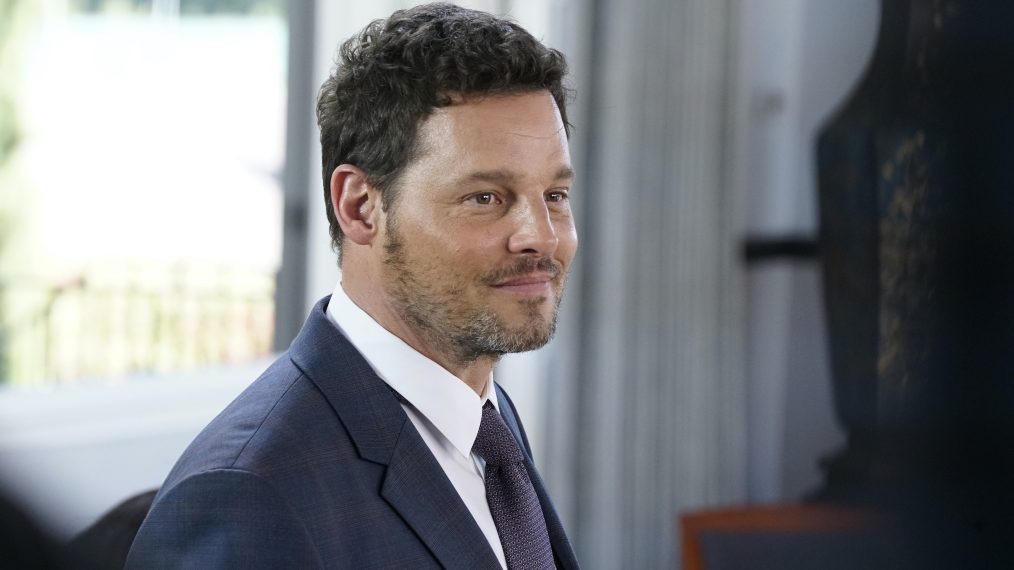
The Shocking Truth Behind Why Fans Still Can’t Forgive Dr. Alex Karev!
Throughout the sprawling, multi-decade run of ABC’s Grey’s Anatomy, few characters have experienced an evolutionary trajectory as stark as Dr. Alex Karev (portrayed by Justin Chambers). Introduced in the pilot episode as a brash, unfiltered surgical intern at Seattle Grace Hospital, Karev spent sixteen seasons transitioning from an aggressive, self-centered outcast into a deeply compassionate chief of pediatric surgery and Meredith Grey’s closest confidant.
Yet, despite this massive narrative overhaul engineered by series creator Shonda Rhimes, a significant segment of the audience continues to view Alex Karev with deep dislike and skepticism. While the character is often celebrated by mainstream fandom for his emotional growth, a critical examination reveals several foundational reasons why many viewers find it impossible to embrace him.
For many long-term viewers, the hurdle to liking Alex Karev stems directly from his behavior during the show’s early seasons. Introduced as the quintessential “bad boy” archetype, Karev’s defense mechanisms frequently manifested as overt toxic masculinity, arrogance, and casual cruelty toward his peers.
For viewers who value emotional accountability, his later maturity does not automatically erase years of systematically punching down at his colleagues.
A recurring point of criticism is that Alex’s “redemption” was frequently derailed by severe lapses into violence. While the narrative often attempted to justify his outbursts as protecting loved ones or reacting to childhood trauma, critics argue that his short fuse made him a liability.

This pattern of behavior leads detractors to argue that underneath his polished, late-season exterior, Karev remained fundamentally unstable—a traits that sits uncomfortably with a character entrusted with the lives of fragile pediatric patients.
In any medical procedural, characters are often pushed into extreme scenarios to maximize prime-time tension. As seen in other hallmark Grey’s Anatomy episodes where doctors navigate life-or-death crises—such as the iconic Season 2 bomb emergency where characters put their lives directly on the line—the writing team excels at generating raw, high-pressure environments.
However, where characters like Meredith Grey chose selflessness in dangerous moments, Alex Karev’s early instinct was almost always self-preservation at the expense of others. In the intense early seasons, when a medical crisis arose, Karev was frequently caught cutting corners, shifting blame, or actively exposing his fellow interns to professional ruin to advance his own surgical standings. This fundamental selfishness created a permanent narrative scar that some fans could never overlook.
Perhaps the most damaging blow to Alex Karev’s standing with the audience came with his sudden departure in Season 16. After spending years building a stable life, marrying Jo Wilson, and proving he had broken the cycle of his chaotic upbringing, his exit shattered that progress in a single stroke.

Leaving his wife with nothing but a series of cold letters to return to Izzie Stevens felt, to many viewers, like a complete regression to the cowardly, emotionally distant intern of 2005. It validated his harshest critics, proving that despite sixteen years of supposed evolution, his core instinct remained to run away when situations became complicated, leaving a trail of emotional destruction in his wake.
Ultimately, the dislike directed at Alex Karev highlights the division between viewers who prioritize a character’s destination versus those who look closely at the journey. While his transformation into a dedicated pediatric advocate remains a feather in the cap of the show’s writing staff, his foundational flaws—marked by early cruelty, physical violence, and a deeply regressive exit—ensure that for a portion of the Grey’s Anatomy faithful, Dr. Karev will always be a character defined by his worst impulses.